
Items
-
Girls prefer single-sex PE classes & sporting activities(2024) 2024Researchers have found that mixed-sex sporting activities at school reinforce existing gender stereotypes that boys are 'better' at sport, leading to girls being discouraged from taking part. In addition, especially during adolescence when girls are highly conscious of body image and weight, they are reluctant to wear physical education (PE) uniforms or take part in PE classes and sporting activities with boys. Unsurprisingly, multiple studies find that girls prefer female-only PE classes, sports, fitness activities and outdoor education. • Mission Australia's large-scale annual survey of young people aged 15-19 revealed that students at girls’ schools obtained higher scores than the female average in the key area of physical and mental health, even during the pandemic year of 2020. More girls attending single-sex schools in 2020 reported participating in sport over the past year than the average female (75% vs 68.6%) (Mission Australia, 2020). • A study of the gendered nature of mixed-sex sailing programs for school students aged 14-18 in France and the United States concluded that “young men were viewed as being more legitimate participants and regularly took up the role of lead skipper — young women were considered secondary participants and were typically positioned as crew members” (Schmitt, Atencio & Sempé, 2020, pp. 1-2). Boys taking part in the study believed that girls were “less capable sailors” and “tried to intimidate the girls during races” (p. 9). This is consistent with previous studies which found that school sport “privileges males and often devalues female participants ” (p. 2). • A 2020 Scottish study has found that girls spend significantly more time undertaking moderate to vigorous physical activity in single-gender PE lessons. In addition, most girls enjoy and prefer single-gender Physical Education (PE) lessons for games such as basketball. The study authors suggest that segregating PE classes for game-based activities could lead to greater health benefits for girls through a higher level of physical activity (Wallace, Buchan & Sculthorpe, 2020, pp. 231). • A 2019 American study has found that PE lessons in co-educational schools “reinforce more sedentary behaviour in girls due to a more male-dominated, traditional, team-sport oriented curriculum that lacks a wide variety of choices” (p. 110). Timken, McNamee and Coste write that international research has demonstrated that co-ed physical activity and PE lessons “have been places rife with dominance, harassment, and intimidation of girls, leading girls to disengage and/or prefer different circumstances” (p. 111). Girls may prefer dance and fitness activities to traditional sports activities because they do not require a team, are non-competitive, can occur any time, and may require less coordination than team sports (p. 110). In addition, multiple studies have found that girls prefer single-gender rather than mixed gender PE classes, with two studies demonstrating that girls who participate in single-gender teams show increased competence, possibly because they perceived less competition and felt more confident about their ability level compared with the other girls (p. 111). • A UK study found that the majority of girls support separating girls and boys for sports activities . There was also stakeholder support for girls’ sports activities to be run by female coordinators who could act as role models (Morgan, Van Godwin, Darwent & Fildes, 2019, pp. 1, 4, 7). The authors’ recommendations include that co-ed schools should introduce female-only physical activity sessions that take place after school and that female role models should be used as facilitators of these activities (pp. 9-12). • Citing a 2014 study, Crystal Vargos writes that co-ed classes have been found to have a “negative effect” on girls’ participation levels in PE for multiple reasons including gender stereotypes, the teacher, the class environment, and the competitive design of PE classes. In addition, “Feelings of embarrassment, lack of confidence and self-efficacy, body image concerns, disinterest in particular activities, and dominance of males in PE” are reasons why females may dislike participating in co-ed PE classes (Vargos, 2017, pp. 1-2, citing Murphy, Diongi & Litchfield, 2014, n.p.). • A 2014 meta-analysis of 22 studies found that the largest increases in sports participation occurred in studies where interventions were based on single-sex activities . In particular, interventions that targeted girls, rather than girls and boys together, had a “higher effect size”. The study authors noted that this effect was not just present in adolescent girls who may be experiencing body image concerns, but also in younger girls. They concluded that “ongoing physical education and other structured physical activity contexts might require greater use of single sex provision” (Biddle, Braithwaite & Pearson, 2014, p. 129). • An American study examining co-
-
Girls scared away from science by sexist banter at co-ed schoolsIOP 2015A new report by Britain's Institute of Physics has found that co-educational schools need to do more to tackle sexist banter and attitudes that discourage girls from pursuing careers in science. While the Opening Doors report found that all schools had policies to counter racist, sexist and homophobic language, sexist language was often dismissed as "harmless banter" though "many of the students, particularly girls, did not see it as such" and that "in extreme cases, it verged on bullying". Some of the many important findings of the Opening Doors report include that: Many of the schools were "inadvertently reinforcing the notion that certain subjects were harder than others" and that girls "lack ability" and "innate talent" in certain subjects, and this was "particularly true for girls contemplating mathematics and the physical sciences". Timetabling constraints in many schools reinforced gender stereotypes through offering subjects in blocks that send "a strong message about the types of courses that are taken by boys and girls". "Some schools, mindful of bad behaviour from boys, had policies of alternate boy-girl seating, effectively using the girls as buffers to keep the boys apart. In general the girls noticed and resented this policy." While girls had access to the full range of sporting activities at some schools, in other schools "girls resented being prevented from taking certain sports considered unsuitable for them". In 2012, the Institute of Physics published the It's Different for Girls report which found that 49% of all government co-ed schools did not have a single female student taking A-level physics and that girls attending independent single-sex schools were four times more likely to take A-level physics than girls in government co-ed schools. In fact, 7.2% of girls in single-sex independent schools took A-level physics in 2011 compared with 4.9% of girls in co-ed independent schools, 4.3% of girls in single-sex government schools and 1.8% of girls in co-ed government schools. In 2013 the Institute followed this report with its Closing Doors report examining existing gender imbalances in six A-level subjects which result in girls being more likely to take English, biology and psychology, and boys being more likely to take mathematics, physics and economics. The report found that 81% of government co-educational schools were either "maintaining or exacerbating the already poor gender bias of progression into these subjects". One of the main findings of the report, however, was that "single-sex schools are significantly better than co-educational schools at countering gender imbalances in progression to these six subjects". References Institute of Physics. (2013). Closing doors: Exploring gender and subject choice in schools . Retrieved from: https://www.iop.org/education/teacher/support/girls_physics/closing-doors/page_62076.html Institute of Physics. (2015). Opening doors: A guide to good practice in countering gender stereotyping in schools . Retrieved from: https://www.iop.org/education/teacher/support/girls_physics/reports-and-research/opening-doors/page_66438.html
-
 Giving the Bird Wings: AI as a Mathematical Coach for Year 8 GirlsSusan Jackson 2026Many studies highlight the importance of fostering mathematical confidence in early adolescence, particularly among girls, who often experience a decline in self-efficacy despite capable performance (Zander et al., 2020). My action research explored how using AI-generated prompts to guide Year 8 girls through the MPTC (Make sense, Plan an approach, Take action, Convince yourself and others) mathematical investigation cycle built confidence in non-routine mathematics challenges. Over 16 weeks, 22 Year 8 students engaged with a custom AI chatbot designed to scaffold their work on non-routine, challenging problems using the MPTC cycle. Using a mixed-methods approach, the study employed Mertler's (2020) inductive analysis to identify patterns in the collected data. I constructed four key themes: refined AI-generated prompts build student trust and confidence; confidence grows when AI provides scaffolds rather than solutions; students internalise the MPTC cycle through repeated guided use; and non-judgmental AI interaction increases confidence and fosters agency. My findings revealed that a carefully designed AI chatbot significantly increased participants' confidence when the tool prioritised conciseness, developmental appropriateness, and step-by-step metacognitive checking. This research demonstrates that AI, designed as a pedagogical coach rather than an answer generator, can empower girls to embrace productive struggle and see themselves as capable mathematicians. Implications for practice include the critical importance of prompt engineering and the potential for AI to build mathematical confidence in early adolescent girls.
 -
 Giving the Bird Wings: AI as a Mathematical Coach for Year 8 GirlsSusan Jackson 2026
 -
-
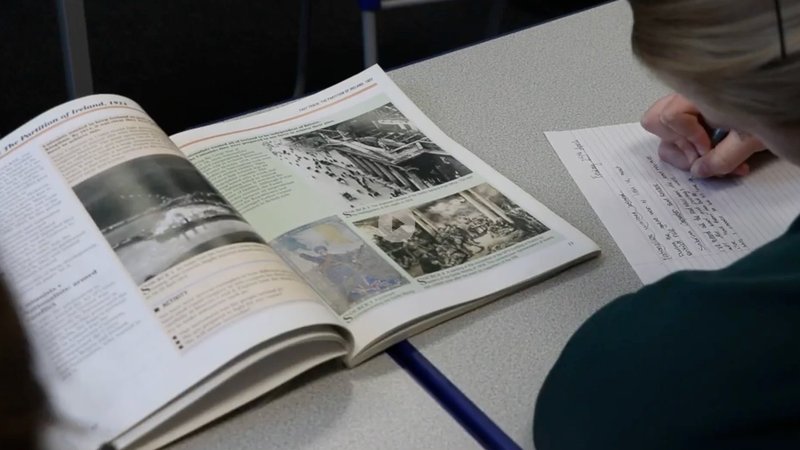 History Belongs to Us: Year 9 Girls Use Historical Significance to Craft Their CurriculumHolly Webb 2025This action research study investigated the impact of applying the skill of historical significance to meaningfully involve girls in the creation of their Year 9 history curriculum. A class of 25 girls was given explicit instruction on evaluating historical significance, and the girls were provided with multiple opportunities to evaluate the significance of the historical topics they were currently studying. The project culminated with students producing independently researched proposals for new topics they believed warranted inclusion in the school's Year 9 history curriculum, and also with the History department working with the students to implement some of these changes. Data collection techniques included questionnaires, focus groups, student work samples, and lesson observations. Thematic analysis was used to interpret the data; findings revealed that involvement in the curriculum design process and application of historical significance enhanced student agency and developed girls’ historical skills. Developing the skill of historical significance also enabled girls to distinguish between the agency of a historian and personal preferences, whilst also highlighting that comprehensive historical knowledge is crucial for students to effectively evaluate significance and exercise agency. The findings from this study are valuable for educators wanting to critically reflect on what may be considered canon in their subject or those hoping to involve students in meaningful curricular change.
 -
Increasing middle school girls’ critical engagement with AI through lightweight workshopsSolyst, J., Axon, A., Stewart, A. B., Eslami, M., & Ogan, A. (2023) 2023With the increasing presence of AI in society it is becoming vital that students understand how to use this technology safely and are aware of its potential benefits, uses, bias, and impact on ethics and privacy. AI is prevalent in everyday life, and girls are highly likely to be exposed to AI regardless of which post-school path they pursue. Researchers from Carnegie Mellon University in the USA have undertaken a project to gain a better understanding of middle school girls’ “perceptions and knowledge gaps about AI” (Solyst et al., 2023, p. 807). By developing a lightweight educational workshop (a workshop less than three hours long), the authors explored girls’ perceptions and approaches to AI with the aim of helping them avoid misinformation, provide them with useful learning materials and “lend insight into a more just future” (Solyst et al., 2023, p. 807). Currently, learning opportunities that are designed “to address children’s knowledge gaps in AI literacy” largely focus on the technical aspects of the technology. This excludes many of the ethical questions associated with AI (Solyst et al., 2023, p. 807). The researchers who developed this paper were also concerned about the limited understanding “of how girls perceive and learn about AI”, with a risk that this may “potentially [compound] existing inequities in AI representation” (Solyst et al., 2023, p. 807). This project explored a learner-centred education format to support middle school girls to fill their knowledge gaps around AI in a shorter workshop form. This is an important new contribution for educators as it provides an alternative to existing programmes that are more than three hours long, or are run as an intensive workshop session. The workshops were specifically targeted at middle school girls and assumed that participants had no prior computing or AI-related knowledge. They were focussed on “critical and creative thinking about AI systems and ethics, and supported learners in thinking about training data” (Solyst et al., 2023, p. 807). The workshops were also designed around an asset-based approach (rather than a deficit-based approach), and drew on girls’ prior “knowledge and interests as a base for further learning and engagement” (Solyst et al., 2023, p. 807). This is important because it has been shown to be a successful way to “support girls of diverse backgrounds in learning computing” (Solyst et al., 2023, p. 807). The researchers considered girls’ understandings and perceptions before, during and after the workshop through observations of the workshop session, surveys and interviews with participants. The workshop was run as a standalone module offered within an all-girls computing camp. Participants for the project were recruited via BoltGirls (a robotics-focused organisation in the east coast of the US) and AmazingGirls (a general girls organisation in the southwest of the US). The workshop ran for approximately 90 minutes, which included educational content and interactive activities. Workshop content was focussed on the concepts of bias, algorithms, and definitions of AI (including training data, power, and how AI can identify or misidentify content). During the interactive sections of the workshop, this was extended to consider how AI could be used to solve challenges in the girls’ own communities and a problem affecting the world more generally. This focussed on how AI could help solve the problem, but also risks of harm and how this could be mitigated. While the workshop was interactive, there was “less use of interactive tools” and a greater focus on “group discussions and ideation… as a means to understand opinions, perceptions, and knowledge gaps” (Solyst et al., 2023, p. 813). Many girls who participated were able to describe AI without technical details prior to completing the workshop. There was an improvement in technical awareness following participation, and a “more complex understanding of AI” compared to the pre-workshops surveys (Solyst et al., 2023, p. 810). The girls also showed an increase in ability to talk about AI, with a much more nuanced approach to intelligence and AI, and comparisons between artificial and human intelligence. This included the recognition of different types of knowledge and intelligence, understanding the role of “informational knowledge and facts”, and being able to recognise limitations in the capabilities of AI technology (Solyst et al., 2023, p. 810). The workshops discussed algorithmic bias, and girls were able to identify bias in the context of AI providing misinformation. This included concepts such as racism, and the ability to critically analyse content to discuss implications for society. Girls raised concerns about how AI uses data, especially in relation to privacy, although they did not always specifically link this to AI, and instead focussed on the risk of hacking when discussing chatbots and digital assistants. While some participants were able to identify t
-
Is it a Matter of Skills? High School Choices and the Gender Gap in STEMDalit Contini, Maria Laura Di Tommaso, Anna Maccagnan and Silvia Mendolia (2025) 2025This article investigates the extent to which gender differences in academic skills contribute to the gender gap in STEM (Science, Technology, Engineering, and Mathematics) high school tracks in Italy. Focusing on the critical educational transition at age 14, when Italian students select among various secondary school types, the study examines whether disparities in mathematics and language skills—where boys typically outperform in math and girls in language—account for the underrepresentation of girls in STEM-oriented schools. The findings reveal that while academic skills do influence school choice, they only partially explain the gender gap in STEM enrollment, particularly among students from higher socio-economic backgrounds. For students from less educated families, skill differences have minimal explanatory power regarding the gender disparity in STEM choices. The research suggests that factors beyond measurable academic abilities, such as societal norms, stereotypes, and possibly differences in self-confidence or interest, significantly influence the gendered patterns in educational pathways. The study emphasizes that simply addressing skill gaps may not suffice to close the gender divide in STEM fields. Instead, comprehensive strategies that also tackle cultural and psychological barriers are necessary to encourage more equitable participation in STEM education and, by extension, in related career fields. Key Finding: "Teacher grades and test scores strongly influence choices, but the impact of ability differs by gender. Girls are less likely to opt for STEM high schools unless they excel in mathematics or have a strong comparative advantage in the subject. Conversely, boys often choose STEM pathways regardless of weak math performance and continue to do so even when they excel in Italian. Consistent with prior research, our findings suggest that girls require stronger evidence of their mathematical ability than boys to pursue STEM studies."
-
 Leading the Future: How Girls’ Schools Can Respond to the OECD’s Gender Equality FindingsICGS 2026In September 2025, the OECD published its Gender Equality in a Changing World report, a comprehensive assessment of gender equality across EU and OECD countries. The report examines how women, men, girls and boys are faring across seven policy areas: education and skills, paid and unpaid work, leadership and representation, health, gender-based violence, the green transition, and the digital transformation.
 -
 Making the Stumble Part of the Dance: Using Improvisational Gameplay to Empower Year 8 Girls to Courageously Collaborate in a Social Entrepreneurial ProgramSamanda Sankowsky (2024) 2024This action research project explored how 13 to 14 year-old girls engaged in improvisational gameplay activities to empower them to courageously collaborate in a social entrepreneurial program. The research was conducted with a group of 17 Year 8 students at an all-girls independent school in Perth, Western Australia. The project examined how in social entrepreneurial teams of four to five, girls participated in one 5-10-minute improvisational gameplay warm up each lesson that didactically explored and developed a “toolkit” of fundamental collaborative skills and processes. The research tracked the effectiveness of this toolkit when girls applied it to their collaborative social entrepreneurial project as their group pitched, designed, manufactured, and sold a market product that advocated for a local charity in support of a United Nations Sustainable Development Goal (SDG). Both qualitative and quantitative data including questionnaires, rating scales, interviews, observations, and student reflections were collected as the girls participated in and reflected upon the process over a 10-week period. The results indicate that the girls exhibited a greater sense of joy towards collaboration, and this allowed them to develop not only a better understanding of the skills associated with social entrepreneurship but inspired them to strive for personal growth in this role. The girls were taking collaborative risks more frequently with their peers and expressed that they were better equipped with the tools to embrace mistakes and transform them into innovative possibilities or solutions. All in all, throughout the development and application of their improvisational toolkit, the girls’ felt that their voices were projected with greater confidence and collective equity, both in their collaborative groups and in their role as a social entrepreneur in the broader school community.
 -
 Measured, Not Heard: AI-Generated Feedback and Year 6 Girls’ Self-Perception as Public SpeakersJames Porter 2026This action research study explored how Year 6 girls interpret and respond to AI-generated feedback on public speaking, and what impact this had on their positive self-perception as speakers. Conducted over a thirteen-week autumn term in a London girls’ junior school, the inquiry was embedded within an existing oracy curriculum and centred on three speaking tasks supported by Microsoft Speaker Progress. A mixed-methods design combined three-timepoint self-perception questionnaires, AI-generated metric reports and stored recordings, think-aloud protocols during rehearsal, focus groups conducted before, during, and after the intervention, teacher field notes, and reflexive journalling. Rather than producing a straightforward narrative of confidence gain or loss, the findings present a more complex and ethically significant picture. AI feedback did not operate as a discrete intervention acting uniformly upon pupils; instead, it was encountered within a wider feedback ecology in which it interacted with teacher feedback, peer responses, prior experience, emotional safety, and pupils’ own developing self-judgements. Within this ecology, AI feedback sometimes supported performance, sometimes reduced emotional risk, and sometimes introduced uncertainty, meaning its influence on self-perception was partial, conditional, and relational. Importantly, the quantitative and qualitative strands did not converge neatly: questionnaire items linked to understanding, preparation, and knowing how to improve showed clearer movement than affective items relating to confidence and nervousness. Read as analytically productive, this divergence helps explain why clarity and competence did not reliably translate into confidence, and why shifts in self-perception were not always captured by quantitative measures alone.
 -
Parental attitudes and beliefs play critical role in girls’ learning choicesJones & Hamer (2022) 2022Recent research by UK-based researchers Karen Jones and Jessica Hamer have explored the impact of parent and carer’s attitudes and beliefs on children’s participation in physics classes in high school. Despite the recognition that girls are good at physics, female students are not studying physics or going into physics-related careers. GCSE outcomes from 2016 show girls achieved at equal levels as boys in physics, yet only 1.9 percent of girls study physics at A-level in England, Wales and Northern Ireland. By comparison, 6.5 percent of boys go on to study physics at this level. This reinforces concerns that girls don’t believe they can be engineers or scientists. If more girls pursued the study of physics this would address social inequality in the UK, while also addressing the current skills gap. Such gender imbalances are also present in other locations such as Australia (Department of Industry, Innovation and Science, 2019). Many existing research studies show there is a significant gender gap in physics, however, Jones & Hamer’s 2022 article considers the attitudes and beliefs of parents of children in year nine. This included a survey which was run as part of initiatives designed to investigate and improve gender balances. While 60 secondary girls’ schools and state schools were specifically invited to participate in the study, the authors caution that the sample is not representative of all schools. This is due to the sample bias ‘towards higher achievement and higher socio-economic backgrounds’ (Jones & Hamer, 2022, p. 211). It has been well-established that many factors can impact girls’ participation in physics classes and careers. A 2006 study found that ‘participation was found to be related to career aspiration, interest and enjoyment in physics, views of the relevance of physics, the impact of teachers, being in a single-sex school, achievement and self-concept, perceptions of the difficulty of physics and assessment processes’ (Jones & Hamer, 2022, p. 202; Murphy & Whitelegg, 2006). Other key influences include teachers’ perceptions and encouragement, socio-economic status and ethnic backgrounds (although this can lead to the development of troubling racial and economic stereotypes applied at a general level), varied interest in physics with age, and mis-alignment of self-identity with perceptions of roles in physics. Another key influencing factor the authors particularly note are the links between parent and child ‘engagement, aspirations and attainment in science’ (Jones & Hamer, 2022, p. 204). This can also include the gendered attitudes of parents; however, more research is required in this area. While Jones and Hamer (2022, p. 216) did not determine a causal relationship between ‘parental attitudes and student outcomes’, the authors did identify that parent beliefs that their child ‘will go on to study physics at A-level’ — or parents’ ability to view their child working in a physics-related field — has a significant potential to impact girls’ (Jones & Hamer, 2022, p. 216). Parents’ beliefs and attitudes are vitally important influences on girls. This provides an important opportunity for additional research and the potential for targeted interventions to increase the likelihood of female students choosing to study physics. Jones and Hamer (2022, p. 218) recognise the project bias and the potential impact of this on their findings. The authors note that the project sample and data is biased ‘towards schools with higher exam results and lower deprivation’ (Jones & Hamer, 2022, p. 218). While efforts were made to manage results accordingly, the influence of these parameters cannot be completely excluded. Matched samples did indicate a high potential accuracy of these results, which has nonetheless led the authors to suggest that the findings from this research can potentially be applied ‘to other settings’ (Jones & Hamer, 2022, p. 219). These findings are developed from a case study based on schools in England, Wales and Northern Ireland. While the data used as the basis for this case study specifically excluded independent schools, single sex boy’s schools and special schools in these locations, this article nonetheless provides a welcome reinforcement for recent research in Australia indicating that girls’ schools can provide environments where a greater proportion of girls do indeed pursue the study of physics and other STEM subjects (Forgasz & Leder, 2017; Jones & Hamer, 2022, p. 219; Maasoumi et al., 2019). It also provides a welcome opportunity for future research to consider if these same themes surrounding parent attitudes and beliefs are present in Australian girls’ schools. Until such research is realised, this provides points of consideration for educators in girls’ schools to consider the benefits of these education environments in supporting girls and young women pursue their full potential across a breadth of academic disciplines. References Department of Industry,
-
Play equipment in Australian children’s homes: Can we refine interventions to support girls’ engagement with physical activity? (ICGS, 2025)(2025) 2025Duncombe, S. L., Moss, K. M., Tooth, L. R., & Mielke, G. I. (2025). Sex differences in the play equipment found in Australian children’s homes. Journal of Child and Family Studies, 34 , 1283-1291. https://doi.org/10.1007/s10826-025-03037-8 . Research has shown that the different types of play equipment present in children’s homes can be associated with children’s physical activity levels. This study by researchers at the University of Queensland, Australia, investigates differences in play equipment found in Australian homes based on the gender of the child/children. The authors identify links between gender and the type of equipment present in homes, and highlight the impact of this on children’s engagement with physical activity. They suggest that early, gender-specific physical activity interventions are needed to target gender disparity in physical activity. Given the well-documented benefits of physical activity for child and adolescent wellbeing, early and positive interventions to encourage girls’ holistic participation are essential (Duncombe et al., 2025, p. 1284). This research was drawn from the “Mothers and their Children’s Health Study”, which is part of the “Australian Longitudinal Study on Women’s Health”. This included information on 5,314 children from 2,805 families, which was categorised by the number of children in the family, age, and gender makeup. This is a substantially larger study than much of the previous research published on this topic, and also considers the context of siblings in family groups. Participants were provided with a list of play equipment and asked to indicate which of the items were available to children in their homes. The list of equipment provided to participants was “balls; basketball or netball rings; bats, racquets, or golf clubs; climbing equipment or suitable trees; bicycles, tricycles, or scooters; skateboards or ripsticks; skipping ropes; swimming pools; trampolines; slides or swings; and electronic play equipment” (Duncombe et al., 2025, p. 1285). The researchers initially observed broad trends linking the gender composition of children in the household to the type of play equipment in the home. Families with all boys or mixed siblings had a higher prevalence of play equipment that included “skateboards/ripsticks, bats, racquets and golf clubs than those without a boy” (Duncombe et al., 2025, p. 1283). Families with girls or mixed siblings had a higher prevalence of play equipment in the home that included “skipping ropes, slides and swings than those without a girl” (Duncombe et al., 2025, p. 1283). Yet there were no differences observed in “balls, bicycles, trampoline, pools, or active electronic games in homes” (Duncombe et al., 2025, p. 1283). The findings were promising in relation to toys associated with active play. Previous studies have shown that toys associated with movement have typically been present in family groups with boys. Yet this study shows equal amounts of all-girl and all-boy families with toys associated with movement. This is an important finding and one that prompted the researchers to question what factors influenced this outcome (Duncombe et al., 2025, p. 1288). It indicates that providing girls with access to these types of toys could be beneficial to “augment their physical activity levels”, while maintaining awareness of how girls will use the toys, as this may differ to boys (Duncombe et al., 2025, p. 1289). These findings reinforce earlier research showing different play patterns and behaviours among girls and boys. However, it also gives a new perspective to this topic by considering the home environment and potential influence of siblings. The authors also suggest this is an opportunity to consider the role of gendered parenting and societal pressures in children’s toy preferences. This can be addressed through advocacy for “less gendered toy marketing and preschool environments”, including the promotion of gender-neutral spaces from a young age (Duncombe et al., 2025, p. 1288). Regardless of how much influence in children’s choice of play equipment can be attributed to child preference, societal norms or parent influence, the implications for physical activity levels are still crucial to understand in order to address disparities in physical activity. There was no difference between families with mixed sex siblings and all-boy/all-girl families and the types of play equipment/activity levels found in the home. This indicates that “a single child of one sex may influence the equipment in a home” (Duncombe et al., 2025, p. 1288). There was also no clear correlation between levels of physical activity with/without siblings. The number of differences in play equipment did increase as children aged, which is consistent with existing research. Preferences for gender neutral toys also decreased significantly as child age rose. This could be due to socialisation pressures and early social environments that encourage
-
Plugging the gaps in the STEM pipeline: A reproducible, scalable model that supports middle school and undergraduate females studyingAkin, V., Santillan, S. T., & Valentino (2024) 2024Developing new and innovative ways to support girls in STEM is high on the agenda of girls’ schools globally. Researchers from Duke University have developed a reproducible model that targets two key periods when girls are more likely to leave STEM studies – middle school and tertiary undergraduate studies. They do this by focussing on helping girls develop their own STEM identity. This is crucial, because stereotypes about who should study STEM have been found to have a significant impact on girls being able to see themselves in STEM careers (International Coalition of Girls’ Schools [ICGS], 2024). This research represents a unique mentoring model that can be scaled up or down and replicated in girls’ schools to help support students as they seek to follow their STEM aspirations. Despite numerous interventions that have been developed to support female STEM engagement, there still exists a significant drop in girls’ participation in STEM during middle school and the undergraduate years of tertiary study (Akin et al., 2024, p. 452). This has been linked to a “clear shift in girls’ social identity relative to mathematics during middle school”, and a further decrease in female STEM enrolments after completing secondary school (Akin et al., 2024, p. 452). In particular, self-confidence in mathematics can have a significant impact on girls’ STEM identities more broadly. An interdisciplinary group of both researchers and STEM practitioners have developed a model called Improving Girls’ Math Identity (IGMI) to address these issues at both undergraduate college level and middle school. The IGMI programme involves the recruitment and training of undergraduate women studying STEM to become mentors and workshop leaders for local middle school girls. This serves a dual purpose of providing mentoring and workshop opportunities to adolescent girls, and also the creation of a network of female STEM undergraduate students. IGMI was designed to help undergraduate women and middle school girls develop a positive mathematics or STEM identity. This was intended to improve not only their beliefs and attitudes about STEM, but also “the degree to which they see themselves as members of the corresponding community” (Akin et al., 2024, p. 453). Undergraduate students were provided with the necessary training and materials to deliver workshops and mentoring to middle school girls. The research case study included this content as part of a broader curriculum, however, it can also be offered as an extra-curricular offering. IGMI was run successfully three times during this research, in both in-person and virtual formats (due to pandemic restrictions). The IGMI goals are achieved through three key approaches to support the development of a positive STEM identity. The first is the belief that the student is capable of completing the training necessary to be a STEM professional. The second is the belief that a STEM-related career is “personally relevant and meaningful to the student’s broader life goals” (Akin et al., 2024, p. 454). Finally, this connects with the belief that STEM fields, both educationally and professionally, have the capacity to be a welcoming environment – something that is also supported through the development of healthy, positive female STEM networks during the IGMI programme. Targeting these three areas responds to research showing that developing a positive mathematics or STEM identity is crucial to supporting girls who wish to pursue study in this field. (ICGS, 2024). IGMI also focusses on enhanced mathematical skills building. This includes metacognition, problem-based learning, and spatial reasoning. Developed as a scalable model that can be replicated in girls’ schools, the IGMI intervention provides benefits for both the middle school and undergraduate participants. Both middle school girls and women in undergraduate courses who participated in IGMI showed “improved mathematical self-efficacy and confidence” (Akin et al., 2024, p. 453). This was especially apparent in the presentation of mathematical work, problem-solving skills, and improved skills when approaching new problems. Beyond these skills, however, there also exists the development of a professional support network among undergraduate women, and a positive mentorship programme for middle school girls. Undergraduate women also gained an increased understanding of barriers to female participation in STEM, which in turn led participants to feel more empowered when navigating the STEM environment in their university studies and potential employment opportunities. It also led to improved confidence and leadership skills, and an increased desire from undergraduate women to maintain ongoing involvement in supporting adolescent girls on their own STEM journeys. This model represents an important opportunity for girls’ schools to bring together adolescent girls and undergraduate women who have a shared interest and desire to study STEM, while al
-
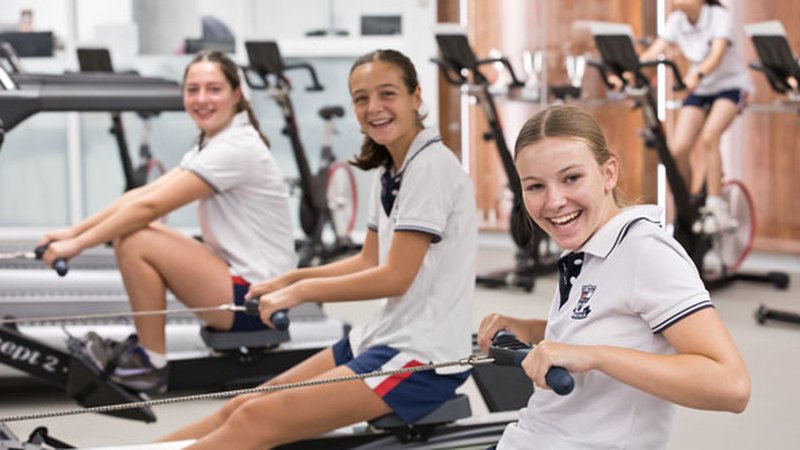 Raising Her Voice: Strengthening Student Well-Being and Engagement Through Connection in Girls’ Schools (Full Report)2024In an effort to support girls’ mental health around the globe, in 2023 International Coalition of Girls’ Schools (ICGS) partnered with Challenge Success, a non-profit organization affiliated with the Stanford University Graduate School of Education, to explore the experiences of girls in ICGS member schools. As the leading advocate for girls’ schools, ICGS connects and collaborates globally with individuals, schools, and mission-aligned entities dedicated to educating and empowering girls. Challenge Success partners with school communities to elevate student voice and implement research-based, equity-centered strategies to improve student well-being, belonging, and engagement. The two educational organizations share many values, including elevating student voices and empowering students to use their agency to drive positive change. Our aim was to explore the experiences of girls in girls’ schools through gathering and sharing data collected via the Challenge Success-Stanford Survey of Student Experiences. Equally important was to highlight areas where girls are doing well such as feeling a strong sense of belonging, support, and engagement in school. The purpose of this is to provide ICGS member schools with recommendations for promising research-based, equity-centered policies and practices aimed at improving girls’ well-being, engagement, and belonging in school.
 -
-
School experiences of transgender and gender diverse students in AustraliaJones et al. (2016) 2016An Australian study conducted by Jones, Smith, Ward, Dixon, Hillier and Mitchell sought to explore the schooling experiences of transgender and gender diverse students that are becoming increasingly visible across Australia’s education landscape. From their findings they propose a number of recommendations for establishing more inclusive practices within schooling environments that can better support these students (Jones, Smith, Ward, Dixon, Hillier & Mitchell, 2016, p. 156). At an international level there has been an increased awareness and acceptance of the growing possibility of students presenting diverse gender identities within schooling contexts. The existing literature on transgender and gender diverse students has largely focused on risk factors associated with belonging to this population, including the increased potential for victimisation and discrimination within the school environment. Evidence of the schooling experiences of this population is being increasingly used to inform policy protections aimed at establishing inclusive school environments that provide greater recognition and support for gender diversity. Against this backdrop, Jones et al.’s study became focused on exploring the extent to which Australian transgender and gender diverse students report feeling supported within their school environments, with particular consideration of recognition of their experiences of puberty and sexuality education, treatment by students and staff, and advantages of participating in activism (pp. 156, 157). To conduct their study, 189 transgender and gender diverse students across Australia’s various education sectors participated in an online survey answering questions related to their schooling experiences, mental health and the role of activism in their wellbeing. In depth interviews were further conducted with sixteen of the survey participants who were willing to discuss their experiences of schooling in greater detail (pp. 160, 161) The data obtained from interviews and surveys revealed that the majority of participants in the study reported a lack of inclusion in their experiences of sexuality and puberty education. Two-thirds of transgender and gender diverse students revealed that the provision of sexuality education at their school was mostly inappropriate for failing to recognise sexual and gender diversity. The findings further revealed that 55% of participants believed that their education regarding puberty was mostly inappropriate (pp. 163, 164). Transgender and gender diverse students revealed negative experiences of schooling in their accounts of the wearing and policing of school uniforms. Many participants reported that the wearing of the school uniform was a problematic experience, particularly where the uniform options provided by the school were strongly gendered. Participants predicted that improvements to the inclusion and wellbeing of gender diverse students would be benefitted by uniform options that supported greater flexibility in gender expression (pp. 164, 165). Lack of support from school personnel was reported to bear a significant weight on transgender and gender diverse students’ negative experiences of schooling. A common situation through which gender diverse students reported feeling ill-supported by school personnel was when their teachers and school administrators failed to acknowledge them by their preferred name or pronoun. This situation reportedly affected students’ ability to concentrate in class, which for many students further led to them achieving poor results or leaving school entirely. Lack of recognition of ones’ gender diversity from school personnel was also positively linked to increases in verbal and physical abuse from peers (pp. 165,166). Participants with supportive classmates were less likely to experience victimisation at school. However, 65% of the study’s participants reported experiencing verbal abuse from their peers on the basis of their gender diversity and 21% reported experiencing incidences of physical abuse. Over 90% of participants who had experienced physical abuse were reported to have contemplated suicide (pp.165, 166). Due to experiences of discrimination and victimisation, 91% of participants in the study reported being involved in activism promoting the need for improvements in society for gender diverse and transgender people. Becoming involved in activism was reported to have a positive impact on participants’ wellbeing by increasing their resilience (33%), easing their symptoms of depression (30%) and reducing their ideation towards self-harm (30%) and suicide (31%) (p. 166). The data provided by the surveys and interviews with transgender and gender diverse students illustrate the need for schools to continue to scrutinise and transform their practices so as to improve the inclusion of these students within the school environment. Based on their findings, the authors recommended that improved school climates fo
-
 Show What You Know: How Girls’ Academic Confidence Increases with Multiple and Differentiated Ways of Sharing What They LearnedJulie Haines (2020) 2020This action research project investigated the hypothesis that when elementary school girls are able to choose from a menu of differentiated assessments their academic confidence increases and their assessment stress decreases. In this study, students in grades two, three, and four in an all-girls’ independent school in the United States were given choices in the assessment process. Students used a Likert scale to rate their academic confidence in the topic of a STEAM mini-unit at the beginning and end of instruction. At the conclusion of each mini-unit, students chose their preferred method of assessment to show what they had learned—show what you know. The assessment choices were: creating a labeled drawing, building a model, taking a multiple choice test, recording a Flipgrid, taking a Kahoot quiz, or other (student’s choice). In addition, the parents of the students provided feedback and insights on the academic confidence and the learning achieved by their daughters. The study demonstrates that providing students with “voice and choice” from a variety of assessment methods may contribute to increased academic confidence and improved learning outcomes.
 -
Single-sex classrooms remove the confines of traditional gender binaries and allow students to embrace gender fluiditySchmidt (2020) 2020In a year-long study conducted in Single-Gender Initiative (SGI) classes in South Carolina, Sandra Schmidt (Colombia University, New York) found that single-sex classrooms do not reinforce a rigid dichotomy of male and female gender traits. Schmidt (2020, p. 1093) claims that gender distinctions are “foundational to the institutional and spatial arrangement of schools”, for example through gendered toilets and uniforms. While single-sex schools are free from those internal markers of bias, their very existence does rely on the male/female gender binary construct. Schmidt (2020) therefore acknowledges the potential for rigidity when schools design and program specifically for the single-sex environments, yet her findings indicate that even when this does occur, social fluidity within these social spaces will disrupt stereotypical gender norms. This persistent dynamism means that even when school policies, personnel, and structures attempt to reinforce gender norms, binaries and hierarchies, students can and will disrupt these societal messages through ‘play’. Schmidt (2020) suggests educators need to be aware of how students “create free space” for “gender non-conforming play”, while encouraging consideration of how educators can create the freedom for students to “play and ascertain the boundaries and possibilities of their (gender) identities” (p. 1111). Schmidt’s (2020) qualitative study saw her spend one academic year with 97 students in a newly developed SGI class in South Carolina to determine how students negotiated gender dichotomies. She drew on personal experience, observations of classes, informal discussions, and interviews with students to draw her conclusions. These classes were developed from policies that responded to psychologists’ beliefs that male and female students were subject to “innate learning differences” (Sax, 2005; Schmidt, 2020, p. 1094). Schmidt’s work responds to critics who suggest that single-sex schooling does not lead to educational benefits, reinforces sex/gender binaries, and strengthens traditional hierarchies that can marginalise female staff and students (Halpern et al., 2011; Jackson, 2010). Some have responded to such critiques by showing that young people can enact “moments of transgression in these rigid social spaces” (Schmidt, 2020, p. 1096). Others have suggested that adults are “most influential in shaping” experiences in schools that can “disrupt [the] gender reproduction of schooling” (p. 1096). Schmidt provides important new understandings of the ways young people themselves can become “part of the production of the social landscape”, while applying these findings to key examples of single-sex classrooms in South Carolina (p. 1096). The SGI classrooms involved in the study were subject to strict reinforcement of a ‘rigid gender-differentiated landscape’ (p. 1100). Learning and motivational techniques were focused around so-called ‘boy’ and ‘girl’ learning styles and identities. Schmidt (2020) observed that teachers in all-boys classes used overt and explicit competition as a behaviour management tool, such as through ‘war’ games to earn privileges and publicly posted grades. Female students experienced a distinctly different approach where girls were “given sticky notes and boxes of markers so they could use colour in their assignments”; collaboration was facilitated and encouraged, as was the celebration of classmates’ successes. Based on an assumption of gender differences in “dexterity”, “boys were given printed PowerPoint slides, while girls copied notes from the board” (Schmidt, 2020, pp. 1100-1101). Schmidt (2020) observed that students in single-sex girls’ classes challenged the gender stereotypes underpinning this single-sex environment in two particular ways: the development of family trees (during a class activity), and competition. Students were asked to develop a ‘family tree’ of their relationships in their classrooms. One set of female participants challenged heteronormative constructs, developing family trees depicting only female roles – “grandmother, mothers, aunts, cousins and sisters” (p. 1102), while males generally produced mixed sex depictions. Intersections of race, socioeconomics and academic performance influenced these representations. However, Schmidt (2020) observed that the family tree became “an important representation of the social relationships that cohered a group of girls to either collectively engage in or resist the lessons each day” (p. 1102). While this intersectionality means not all findings are directly relatable to any all-girls environment, two responses were either consistently or intermittently observed in girls: “direct and indirect resistance to teacher practices” and the desire to engage in the more dynamic activities reserved for the boys’ classes (Schmidt, 2020, p. 1104). This resistance included subversive development of their own methods of learning and play that reflected the competitive benchmark
-
Social, emotional and health benefits2024In a girls’ school where there are no gender stereotypes, no appearance pressures, much lower rates of bullying, and no sexism or sexual harassment, girls are truly free to be who they want to be, both inside and outside the classroom. Studies show that girls are less self-conscious, more confident and less likely to suffer body image pressures or eating disorders in a single-sex environment. They are also far less likely to be bullied by other girls and, without boys in the school, can participate fully in all aspects of school life without worrying about being the subject of sexist or inappropriate comments and behaviour. • A 2020 analysis of PISA data from 2015 and 2018 on bullying found that, on average, 79% of girls at single-sex schools in Australia and New Zealand never or hardly ever experienced bullying, compared with 71% of girls from co-ed schools. Compared with girls from co-ed schools, students from girls' schools reported: Never or hardly ever being threatened by other students (89% vs 78%) Never or hardly ever being the subject of nasty rumours (73% vs 62%) Never or hardly ever being made fun of by other students (67% vs 57%) Girls from single-sex schools were also significantly less likely to report being hit or pushed by other students, having belongings taken or destroyed, or being left out of things on purpose (MMG, 2020). • Mission Australia's 2020 Youth Survey revealed that even during the pandemic year, students at girls’ schools obtained higher scores than the female average in the key areas of mental health and overall life satisfaction. Students attending girls’ schools were less likely to be concerned about their personal mental health than the average female (37.2% vs 43.3%). They were also less likely to be concerned about bullying (9.6% vs 15.1%) and more likely to report feeling happy or very happy with their life as a whole (61.3% vs 54.4% of all girls) (Mission Australia, 2020). • Two recent reports from the United Kingdom have found that the vast majority of girls are sexually harassed and bullied at school, and that the evidence shows that one-quarter of girls at co-ed schools have experienced unwanted physical touching of a sexual nature while at school (Ofsted, 2021; National Education Union and UK Feminista, 2017). • A 2016 British Parliament inquiry found that girls in co-ed high schools are subjected to daily sexual harassment (including 29% of girls aged 16-18 who experience unwanted sexual touching at school) and are the victims of implicit bias by teachers who steer girls away from ‘hard’ subjects like advanced maths, physics and computer science (Commons Select Committee [United Kingdom], 2016, September 13). • A 2016 Australian study, based on a survey administered at five co-educational schools in Adelaide, has confirmed previous research findings that sexual bullying behaviours are commonplace within co-ed schools but that they are often not reported because measures used to quantify bullying in schools do not specifically ask questions about sexual harassment or sexually-toned bullying (Shute, Owens & Slee, 2016; also see, Shute, 2017 ). • A 2015 report by Britain's Institute of Physics found that co-educational schools need to do more to tackle sexist banter and attitudes that discourage girls from pursuing careers in science. While the Opening Doors report found that all schools had policies to counter racist, sexist and homophobic language, sexist language was often dismissed as "harmless banter" though "many of the students, particularly girls, did not see it as such" and that "in extreme cases, it verged on bullying" (p. 13). Some of the other findings include that: "Some schools, mindful of bad behaviour from boys, had policies of alternate boy-girl seating, effectively using the girls as buffers to keep the boys apart. In general the girls noticed and resented this policy" (p. 12). While girls had access to the full range of sporting activities at some schools, in other schools "girls resented being prevented from taking certain sports considered unsuitable for them" (p. 19). • A US study found that less than 1% of female students in single-sex schools experience bullying , compared with 21% of female students in co-ed schools (Johnson & Gastic, 2014, p. 128). In addition, girls at single-sex schools are not only more likely to be gender nonconforming than girls at co-ed schools (p. 134), but also "significantly less likely to be bullied" (p. 133) for preferring 'masculine' sports (including football, baseball and basketball) over 'feminine' sports and activities (including softball, cheerleading, choir and art classes) (p. 129). In fact, say the authors, "single-sex schools emerge as a protective factor for female gender nonconforming girls" (p. 126). • A Korean study exploring whether the gender composition of the school environment affects the bullying experiences and behaviours of adolescents has found a
-
 Students’ perceptions of schools’ influence on the leadership self-efficacy of adolescent girls: religious and secular post-primary schools in IsraelPerets Shenhav , Davidovitch Nitza , Lewin Eyal (2025) 2025Overview This qualitative study explores how different school contexts shape adolescent girls’ confidence in their leadership abilities. Drawing on Social Cognitive Theory, the authors focus on three main pathways that influence leadership self-efficacy: mastery experiences, social modeling, and social persuasion . The research highlights how school structures, culture, and peer/teacher interactions can either limit or expand opportunities for girls to see themselves as capable leaders, with meaningful differences emerging between secular mixed-gender schools and religious all-girls schools. Key Findings Mastery Experiences: Girls in religious schools had more opportunities to practice leadership, both in school and through youth organizations. Social Modeling: Religious school students identified teachers, older peers, and guides as leadership role models; secular school students did not report strong models. Social Persuasion: Religious schools provided consistent encouragement from teachers, peers, and youth leaders, reinforcing girls’ leadership confidence. Secular school students reported little direct encouragement. Overall Impact: Religious all-girls schools fostered stronger leadership self-efficacy than secular mixed-gender schools by providing richer experiences, visible role models, and affirmational support. Implications for Girls’ Schools Structured opportunities for leadership and visible female role models are critical in developing leadership confidence among adolescent girls. Encouragement and affirmation from adults and peers can significantly influence students’ belief in their leadership capacity. The findings challenge assumptions that secular, coeducational settings are inherently more supportive of girls’ leadership development, highlighting the unique value of all-girls environments. Reference Perets, S., Davidovitch, N., & Lewin, E. (2025). "Students’ perceptions of schools’ influence on the leadership self-efficacy of adolescent girls: religious and secular post-primary schools in Israel." Frontiers in Psychology, 16. https://doi.org/10.3389/fpsyg.2025.1488270
 -
Teacher gender biases exist and have long-term effectsRigissa Megalokonomou, Victor Lavy (2023) 2023This article examines the impact of teacher gender biases on student outcomes, particularly in STEM education. Using administrative data from Greece, where students are quasi-randomly assigned to teachers, the study identifies significant gender biases among high school teachers, especially in mathematics. Teachers' biases were measured by comparing student performance on blind (externally graded) and non-blind (teacher-graded) exams. The findings reveal that teachers who favor boys tend to grade male students higher than female students, despite similar performance on blind assessments. This bias adversely affects girls' subsequent academic performance and their likelihood of enrolling in STEM degrees. The study also finds that teacher gender biases are persistent over time and across different classes, indicating deeply rooted attitudes. Students exposed to pro-boy teachers in grade 11 show significant changes in performance and educational choices in grade 12 and beyond. Specifically, girls taught by pro-boy teachers are less likely to pursue STEM degrees, while boys taught by pro-girl teachers are less likely to enroll in university or choose high-quality degrees. These findings underscore the long-term implications of teacher biases on students' educational trajectories and highlight the need for interventions to address and mitigate such biases in educational settings.
-
Text-based interactions in Instagram: The impact of text and perceptions on girls’ wellbeing (ICGS, 2025)(2025) 2025Paddock, D. L., Cassarly, J., & Bell, B. T. (2025). “OMG you look amazing”: A systematic examination of the text-based interactions surrounding UK adolescent girls’ self-images on Instagram. Body Image, 52 , 1-12. https://doi.org/10.1016/j.bodyim.2024.101839 . Researchers from the UK have focussed on adolescent girls’ use of Instagram to gain a better understanding of how girls engage with visual social media platforms and the impact of this engagement on body image, self-objectification and self-presentation. This is a critical area of research given the proven impact that image-based social media platforms can have on girls’ wellbeing (ICGS, 2025; Paddock et al., 2025, p. 1). This new research is innovative and important for educators because it explores girls’ experiences with publicly available image-based content beyond engagement with images alone. It extends to incorporate girls’ use of text-based interactions and commenting and considers how this impacts girls’ experiences of body dissatisfaction. While visual content is central to image-based platforms, they are also designed to encourage engagement and interaction via text. This typically occurs in the form of commenting. Understanding how these text-based interactions occur alongside images on platforms such as Instagram will play a crucial role in better understanding the impact of this content on girls’ wellbeing. Research has shown that appearance commentary on social media can have profound influences on adolescent girls and young women, especially in the areas of body image concerns and self-objectification (Paddock et al., 2025, p. 2). Social media has rapidly developed as a “primary communication tool for adolescents”, which makes this a vital consideration, especially for girls (Paddock et al., 2025, p. 2). This article focusses on “highly public and permanent Instagram posts, which are usually shared within a large network, making the interactions surrounding them inherently performative and aimed at a broader audience” (Paddock et al., 2025, p. 2). This includes responses to posts that may occur over time, and not immediately following the initial upload of content. Girls from cities across England were included in the study, which was based on interviews combined with analysis of actual content posted on girls’ Instagram accounts. The girls who participated all had “private” Instagram accounts, and many were already engaging “in a process of self-curation wherein they deleted or archived previous posts” (Paddock et al., 2025, p. 3). The researchers analysed the girls’ social media content according to four themes: Images of the participant, captions posted with the image, direct comments on the image, and first replies from the participant to any of these direct comments. The researchers identified several categories of content consistent across the project. Image content uploaded by girls included “selfies”, “groupies” and a mixture of these within the one post. Captions on these posts were then categorised as non-appearance related, appearance-related, self-deprecating appearance remarks, positive appearance remarks, neutral appearance remarks, emoji only (no text) and no caption. Direct comments on posts were observed to contain four types of compliments based on appearance, performance, possessions and personality. “First replies” to these comments were considered to fall into a range of categories that included denial, empathy, probing/asking questions, reciprocation and gratitude. Based on observations around these themes, the authors observed common ways that adolescent girls typically interact with self-images on social media. These interactions are complex, influenced by societal norms and self-presentational strategies, and have implications for girls’ wellbeing. While comments on self-images are typically related to appearance and are positive, it is important to remember that adolescents often curate their posts so that only content with positive comments remain. This typically occurs as part of a broader self-presentational strategy. Negative comments may still be present, but are often seen in private channels such as direct messaging, and therefore do not form part of this analysis of “public-facing, highly curated Instagram posts” (Paddock et al., 2025, p. 8). The types of comments observed in this study were different from those found in previous research. Whereas previous studies found comments focussed on weight and other specific appearance-related attributes, this research found compliments were more generalised about appearance, and included very limited comments (if any) on weight. In fact, girls in the project were “hyper aware of a compliment culture wherein general appearance compliments can have a positive impact on the receiver, whilst simultaneously recognising that specific appearance compliments may impact the receiver negatively by reinforcing an appearance ideal” (Paddock et al., 2025, p. 9). T
-
The 2023 Girls’ Index: Exploring girls’ beliefs, experiences and needsHinkelman 2023Ruling Our eXperiences [ROX] first launched The Girls’ Index in 2017, and it became a baseline for understanding “what girls think, believe, perceive and need” (Hinkelman, 2023, p. 2). The survey has since been expanded, with a new report released that explores the 2023 survey results. This report provides critical information on the experiences and needs of girls from grades five to 12 throughout the United States, and highlights the impact of today’s complexities on girls. While geographically distant from Australasia, there are shared challenges faced by girls globally in today’s world, and ROX has provided beneficial insights into girls’ approaches to these issues. ROX partnered with schools across the United States to survey girls in grades five through to twelve. Participating schools were classified as “urban, suburban or rural” (Hinkelman, 2023, p. 8). 90 per cent of participants attended public schools, and 43 per cent attended schools from mid-high or high poverty socioeconomic areas (Hinkelman, 2023, p. 9). The survey targets a number of key areas including confidence, pressure, stress and wellbeing, schools and leadership, and social media. Girls’ confidence levels have dropped since 2017, with a decrease especially seen from grades five to 11 (Hinkelman, 2023, p. 5). This has been significantly impacted by body image and social media, with a clear correlation between increased time on social media and lower confidence levels (Hinkelman, 2023, p. 11). Girls who were happier with their body were also more likely to be confident (Hinkelman, 2023, p. 12). It is important for educators to note that girls who felt they belonged at their school were “7 times more likely to also describe themselves as confident” (Hinkelman, 2023, p. 11). This reflects the value of belonging across many domains, which is important given its proven benefits for girls (Alliance of Girls’ Schools Australasia [AGSA], 2021, 2022). Levels of sadness and depression among girls has increased in every grade since 2017, however, it has doubled for girls in grade seven and eight. Even more concerningly, it has tripled for girls in grades five and six (Hinkelman, 2023, p. 212). When asked what was causing these emotions, girls cited four specific stressors: Adults pressuring girls to be perfect, girls pressuring themselves to be perfect, school stress, and pressure to “fit into specific roles or stereotypes” (Hinkelman, 2023, p. 24). Gender stereotypes were the most significant stressor reported by girls. Girls in the survey noted that “school, friendships and family issues” all placed particular pressure on students (Hinkelman, 2023, p. 5). Relationships were one of the most significant challenges noted by girls, with some feeling that “girls are in competition with one another” (Hinkelman, 2023, p. 7). The stress caused by this “drama” was reported by girls as a major deterrent for attending school (Hinkelman, 2023, p. 25). Highlighting the importance of confidence building in girls, the survey showed that girls who feel confident are less likely to report these high levels of sadness, depression and stress (Hinkelman, 2023, p. 24). Girls with healthy female friendships also report a decrease in the number of days they feel sad or depressed (Hinkelman, 2023, p. 33). Responses from numerous girls showed the importance of supportive staff for helping girls feel connected to their school (Hinkelman, 2023, p. 25). When girls feel they can “be authentic at school and when they have adults who care about them at school, they are more likely to want to attend school and feel like they belong there” (Hinkelman, 2023, p. 25). This authenticity is important. Girls who feel they can be themselves at school are six times more likely to enjoy attending their school. When girls feel like they can belong at their school, they are 70 per cent more likely to enjoy their attendance (Hinkelman, 2023, p. 27). The survey also considered girls’ confidence in their skills and leadership abilities. Concerningly, many reported reduced confidence in their own abilities, with nearly a quarter of girls in grades 5 and 6 reported being unsure “if they were smart enough for their dream career” (Hinkelman, 2023, p. 6). This lack of confidence regularly extends to leadership roles. While girls may enjoy undertaking leadership positions, more than half of the survey respondents report being afraid to take on these roles due to fears they will be seen as “bossy” (Hinkelman, 2023, p. 5). This fear was prevalent: Nearly 60 per cent of girls enjoy being in charge of an activity or project, yet fear leadership as they worry they will be perceived as bossy, too loud or opinionated (Hinkelman, 2023, p. 29). This reinforces the important role girls’ schools play in supporting girls to explore their leadership ambitions in positive environments (AGSA, 2023a, 2023b). It will likely come as no surprise that girls’ use of social media has increased. When the surve
-
 The Algorithmic Muse: Using AI to Support Divergent Thinking and Creativity in Year 8 Girls’ Digital Design Problem SolvingKerry Daud 2026Current research and literature in girls’ education identify a trend where the true creative potential of female students remains hidden. Perfectionism and the pressure to conform often mask their actual abilities, creating a gap between what they are capable of and what they express. This action research project addressed this disparity within a Year 8 digital design cohort at St Margaret’s Anglican Girls School. The study investigated whether an anonymised, AI-mediated space could mitigate a reluctance to take academic risks and foster divergent thinking. Over a semester, I implemented five divergent thinking challenges where students engaged with a custom AI chatbot and text-to-image generation as creative collaborators. This research found that the anonymised AI environment functioned as a psychologically safe space and supported students to improve their creative potential. This research offers a scalable pedagogical framework for girls’ education, demonstrating how generative AI can be leveraged to dismantle gendered barriers to risk-taking and empower girls to reclaim their creative confidence.